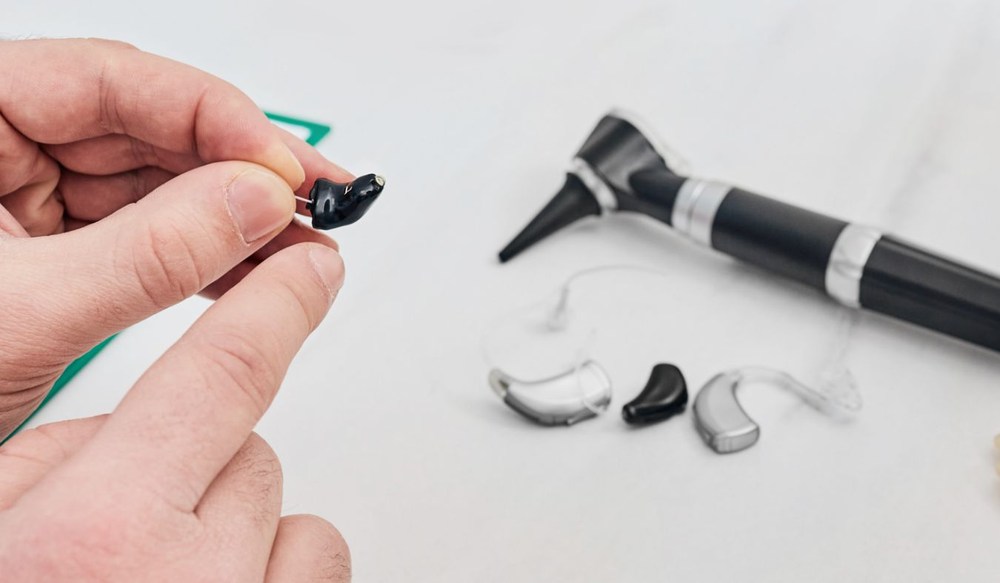
Receiving new hearing aids marks an important step in managing your hearing and becoming more aware of everyday sounds. The first month with your devices involves a period of adjustment as your brain learns to interpret sounds that may have been unclear for some time. It’s important to stay in close contact with your hearing instrument specialist during this time to ensure your devices are working properly.

This adjustment period can include both moments of recognizing sounds you haven’t noticed before and difficulties as you get used to wearing the hearing aids. While each person’s experience is different, knowing what to expect during the first few weeks can help you approach this phase with more understanding. Your hearing care team will provide guidance and make any needed changes to help you become more comfortable with your new devices.

What You Might Notice in the First Few Days

In the first few days after getting your hearing aids, you may become aware of many sounds that you hadn’t noticed before. Everyday noises like the ticking of a clock, the hum of appliances or the rustling of leaves might seem louder or even distracting. This is a normal part of the adjustment process, as your brain starts to relearn how to interpret these sounds. You might also notice that some voices sound different or less clear at first, especially in busy or noisy environments.

It’s common to experience a period of getting used to how the hearing aids feel in your ears as well. Some people notice a slight pressure or a feeling of fullness, which usually lessens over time. You may also find yourself experimenting with volume levels or trying to figure out how to use different settings. These early days are an important time to communicate with your hearing instrument specialist, who can help make adjustments to improve comfort and sound quality.

Getting Used to Knew Sounds

As you begin using hearing aids, sounds that were once hard to hear may suddenly become more noticeable. You might pick up on things like the click of a pen, the sound of your own footsteps or background noises you had forgotten about. At first, these sounds can seem strange or even distracting, but this is a natural part of the adjustment process. Your brain is relearning how to process everyday sounds, which takes time and patience.

Getting used to these changes involves more than just volume. You may find that speech sounds clearer in quiet spaces but still feels challenging in noisy areas. This is something many people experience early on, and it often improves as your brain adapts to the new input. Hearing instrument specialists can also help by making small adjustments based on your feedback. Over time, your hearing will start to feel more natural as your brain becomes more comfortable with the sounds around you.

Figuring Out What Feels Comfortable

During the first few weeks of wearing hearing aids, figuring out what feels comfortable often takes some time and adjustment. Everyone’s ears and hearing needs are different, so it’s normal to try different settings and volume levels to see what works best for you. In the beginning, you might feel more aware of the hearing aids in your ears, but this usually becomes less noticeable as you wear them more regularly. Finding the right fit and wearing schedule is part of the process, and small changes can make a big difference in overall comfort.

As you go through your daily routine, you will likely notice that your hearing aids perform differently in quiet and noisy environments. A setting that works well at home might not feel the same in a crowded store or during a group conversation. This is when learning how to adjust your devices or switch programs can help make your listening experience more comfortable. Keeping track of which environments feel the most challenging gives your hearing instrument specialist useful information for fine-tuning your hearing aids to match your everyday needs.

Handling Minor Issues

During the first month, you may run into small issues like whistling sounds, batteries running out or some discomfort from the fit. Learning how to handle these problems helps you feel more in control. Make sure you know how to change batteries or recharge your devices, clean them gently and check for loose parts. If something doesn’t seem right or keeps happening, write down what you notice and share it with your hearing instrument specialist at your next visit. Many issues can be solved at home, but support is always available if you need it.

Tips for Communicating with Family and Friends

Conversations with family and friends can feel different when you first start wearing hearing aids. It might take extra effort to follow what’s being said, especially in noisy places.

Let your loved ones know about your hearing needs and ask them to speak clearly and face you when talking. Reducing background noise like turning off the TV or moving to a quieter spot can make conversations easier. These small changes help everyone feel more connected.

Managing Background Noise in Your Routine

Dealing with background noise is one of the most common difficulties when starting with hearing aids. Busy places like restaurants, grocery stores or family gatherings can make it harder to focus on what you want to hear. Try sitting with your back to a wall or choosing quieter spots when possible. Practice listening in different environments and recognize each small improvement. If background noise continues to be a problem, talk with your hearing instrument specialist for advice or adjustments that can help make conversations clearer.

Simple Steps for Taking Care of Hearing Aids at Home

Taking care of your hearing aids is simple. Clean them gently each day with a soft, dry cloth, keep them away from moisture and extreme heat, store them safely when not in use and check the batteries regularly to make sure they’re working well.

Knowing When to Visit Your Hearing Instrument Specialist

It can be hard to tell if what you’re experiencing is part of the normal adjustment period or if something needs attention. If you notice ongoing discomfort, whistling sounds, trouble hearing in quiet places or if your hearing aids aren’t working as expected, it’s a good idea to schedule a visit with your hearing instrument specialist. They can check your devices and make sure everything is set up for your needs.

Looking Ahead to Better Hearing

The first month with hearing aids brings new experiences and adjustments. You’ll notice new sounds, changes in your routine and may have questions along the way. Support from a hearing instrument specialist can help you get the most out of your devices.

If you need advice or have concerns during your first month, a hearing instrument specialist is available to assist with adjustments or answer any questions about your hearing aids. If you want to learn more about how to handle your first month with hearing aid, schedule an appointment with a hearing instrument specialist.