Many people find background noise to be one of the most difficult parts of communication. Whether it’s keeping up with a conversation in a busy restaurant, talking on the phone while traffic passes by or trying to follow several voices at once in a group, these situations can become difficult. It often leads to missed details, repeated questions or a sense of stepping back from conversations altogether.
What makes this issue more complex is that it can happen even when a hearing test shows normal results. Standard tests don’t always reflect the challenges of real-world listening, where competing sounds are constant. Understanding speech in noise requires both the ears and the brain to work together and when that process is disrupted, clarity can decline. Recognizing these challenges is an important step, and a hearing specialist can help explain why they happen and discuss ways to make communication easier.

How Your Brain Processes Sound in Noisy Places

When you’re in a noisy place, your brain has to work harder to separate speech from all the other sounds around you. It doesn’t just rely on your ears but also uses memory, attention and context to figure out what’s being said. For example, if you miss part of a word, your brain fills in the gap using the rest of the sentence or the setting you’re in. This process can be mentally draining, especially if background noise is constant or if your hearing isn’t as sharp as it used to be. Understanding how the brain manages sound in these situations helps explain why noisy environments often feel tiring and why extra support, like hearing aids or communication strategies, can make a noticeable difference.

How Your Ears Handle Sounds in Daily Situations

Your ears are always collecting sounds around you, whether you are at home, outside or in a busy store. They pick up everything from voices and music to the hum of appliances. When many sounds happen at the same time, your ears send all this information to your brain, which then has to sort out what is important. Focusing on just one voice or sound becomes much harder in these situations. Rooms with lots of echo or crowded places can make listening even more tiring. Understanding how your ears process these sounds can help explain why some places feel more difficult for hearing than others.

How the Brain Helps You Understand Words When It Is Noisy

Your brain uses several strategies to help you understand words in noisy places. It looks for clues from the way people move their lips, the tone of their voice and your memory of certain words or topics to fill in gaps.

When background noise makes it hard to catch every word, your brain tries to guess what comes next based on context. This makes listening more tiring. You can help your brain by facing the person speaking, watching their mouth for visual cues and asking others to speak a little slower or repeat themselves if needed. Taking short breaks from noisy environments also gives your brain a chance to rest.

Reasons Background Noise Can Be Hard to Separate from Speech

One reason background noise is so challenging is that it competes with speech for the same space in how our ears and brain process sound. When the clatter of dishes, music or nearby conversations share similar tones and volumes with the voice you’re trying to focus on, your brain has fewer clues to separate them. This overlap makes it harder to pick out the words you want to hear, especially in busy settings where sounds are constant and layered on top of each other.

Hearing loss can make the problem even more noticeable because certain sound details, like softer consonants, may be harder to detect. Without those small but important cues, speech blends more easily into the background. Even people with normal hearing can struggle in these environments, but those with hearing changes often feel the effects more strongly. Understanding why this happens is the first step toward finding ways to improve listening in noisy situations.

The Role of Room Acoustics in Background Noise

The way a room is built affects how easy or hard it is to hear when there is a lot of noise. Hard surfaces like glass, tile or bare walls cause sound to bounce around, which can make background noise louder and speech less clear. Soft materials like carpets, curtains and padded chairs help absorb sound and reduce echo. Choosing spaces with more soft surfaces, or adding rugs and wall hangings at home, can make it easier to hear conversations by lowering extra noise.

Places Where Background Noise Often Causes Trouble

Environments like restaurants, shopping malls and public transportation often have a lot of background noise, making it difficult to hear conversations clearly. Trying to talk in these places can require much more effort to catch every word. Even people without hearing loss can find these settings difficult, but if you have hearing loss, the extra sounds blend together and make speech even harder to understand.

How Hearing Devices Can Help with Background Noise

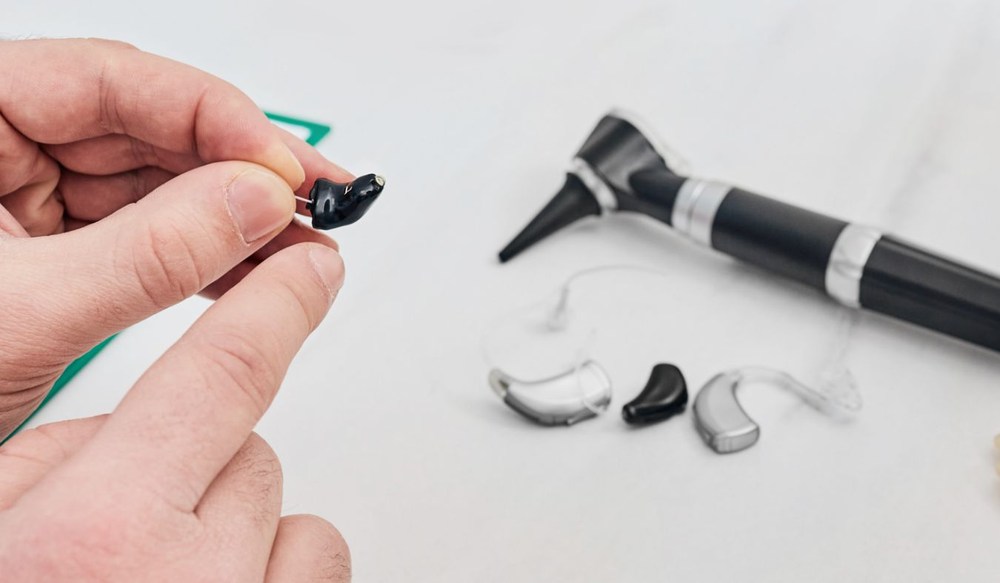
Many modern hearing devices include features designed to help you hear better in noisy environments. Some have directional microphones that focus on the person speaking while reducing sounds from other directions. Other features include noise reduction programs that adjust automatically when you enter a loud setting. If you wear hearing devices or are considering them, ask your hearing instrument specialist about these options. Learning how these features work can make social events and daily life less stressful.

Easy Ways to Communicate Better When It Is Loud

Having a conversation in a noisy place can be frustrating when you keep missing parts of what someone is saying. Moving closer and facing the person you want to talk with makes it easier for your ears and brain to pick up speech. You can also ask others to speak clearly and at a steady pace without shouting.

Simple steps can make these situations easier. Choosing a quieter spot, like sitting away from speakers or kitchen areas in restaurants, can lower background noise. Using hand signals or writing things down can also help when talking gets tough. These small changes can boost your confidence and help you stay connected with friends and family even in loud places.

Moving Forward with Better Hearing in Noisy Places

Understanding the impact of background noise on hearing helps you find ways to make daily life and social events more comfortable. Noisy places can make conversations difficult, but there are strategies and tools available that can help you manage these situations.

If background noise often makes it hard for you to keep up with conversations, a hearing instrument specialist is here to help you explore solutions like updated hearing devices or communication tips tailored to your needs. Staying connected with friends and family is possible, even in the busiest places. If you have questions or want support, schedule an appointment with a hearing instrument specialist to discuss what options may work best for you.