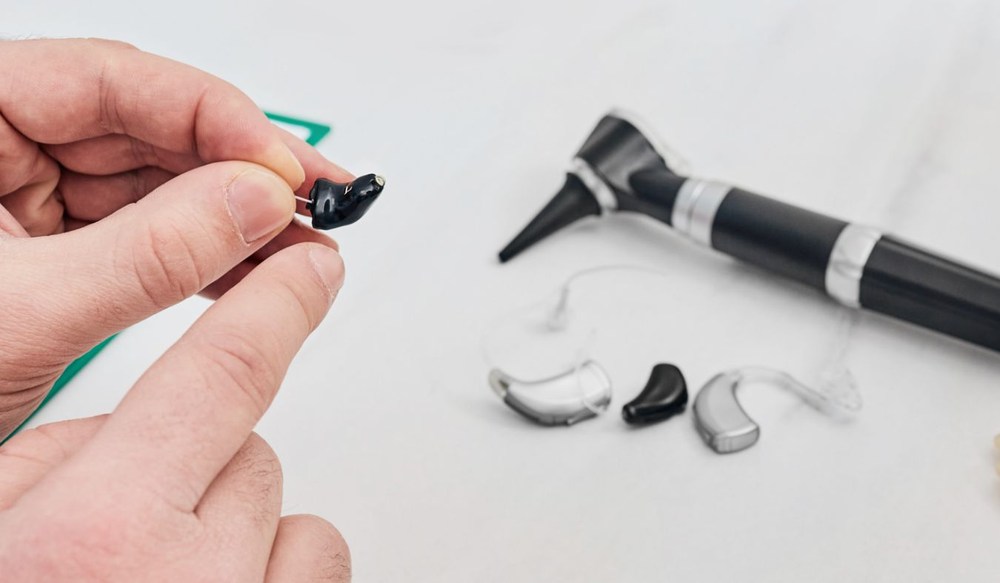
When considering hearing aids, one of the first concerns many people have is how to manage the cost. Fortunately, there are more insurance and financing options available now than in the past. Some health insurance plans may offer partial coverage, and many providers also give patients access to payment plans or financing programs that make hearing care more manageable within different budgets.

Understanding these options can feel complicated, but support is available to help make the process clearer. Whether you are using employer-based insurance or looking into other payment solutions, there are ways to find an approach that works for you. A hearing instrument specialist can help explain coverage details and guide you toward practical choices. Taking time to review these options often makes the financial side of hearing care easier to handle.

What Are Regular Coverage Rules?

Regular coverage rules for hearing aids vary depending on the type of insurance plan you have and understanding them is an important first step in planning your care. Some plans may include partial payment for hearing aids, while others may limit coverage to certain devices or replacement periods. In many cases, coverage also depends on medical evaluations or documentation from a hearing specialist. Knowing these rules ahead of time can help you prepare for what your insurance will and will not cover. Reviewing your plan’s details and asking questions, you can avoid surprises and feel more confident about your options.

How to Know if My Health Insurance Will Cover Hearing Aids?

To determine if your health insurance covers hearing aids, the first step is to review your policy documents or contact your insurance provider directly. Coverage varies widely between plans, and some may include hearing aids while others may only cover hearing evaluations. Asking specific questions about what is included, like the amount of coverage and how often benefits can be used, can give you a clear picture of what support is available.

It can also be helpful to confirm whether your plan requires you to use certain providers or follow specific steps before benefits apply. In some cases, documentation from a hearing specialist may be necessary to access coverage.

Comparing Private Insurance and Public Insurance Coverage

Private and public insurance plans can differ greatly when it comes to hearing aid coverage, so it helps to understand what each typically offers. Private insurance, often through an employer or individual plan, may provide partial coverage, set allowances or discounts on devices, though the specifics vary widely. Public insurance programs usually have stricter guidelines, and while some do not cover hearing aids, some state programs do. These differences mean that the type of insurance you have can shape how much support you receive and what steps you need to take to access it. Comparing the details of both options allows you to see where your benefits fit in and what additional planning may be needed.

Financing Plans You Might Find at Hearing Care Clinics

Some hearing care clinics provide financing plans designed to make getting modern hearing aids more flexible and convenient. These plans often break the total amount into monthly payments, which can be easier to manage than paying in full at once. In many cases, individuals can choose from different payment schedules, allowing them to select the option that best fits their needs. Clinics may also partner with financing providers to give patients additional flexibility when arranging payments.

Financing plans can also be tailored to fit different preferences. Some offer shorter terms for those who want to finish payments quickly, while others extend the timeline so the monthly amount is smaller. Having these choices means individuals can move forward with the right hearing solution. Talking with your hearing instrument specialist about available plans can help you find one that supports both your hearing care goals and your comfort level.

Employer and Union Benefits for Hearing Aids

Some employers and unions provide additional benefits that help cover hearing aid costs. These may be included in a group health plan or offered as a separate benefit. Check with your human resources department or union representative to see if any programs are available. These benefits might include partial reimbursement, discounts through certain providers or access to group purchasing programs.

Government Programs that May Offer Help with Hearing Aids

Certain government programs may help with hearing aid for those who qualify. Medicaid in some states covers hearing aids for children and sometimes adults, but coverage varies depending on where you live. Veterans who meet certain service or medical requirements may have access to hearing aid benefits through the Department of Veterans Affairs. Some state and local assistance programs also provide funding or low-cost options for people with limited income. For more information about government support, contact your state’s health department or local nonprofit organizations.

Charitable Groups and Community Resources that Provide Financial Support

Charitable groups and local organizations can sometimes help with hearing aid costs. Some national charities offer grants or funding for those who qualify, especially children or seniors. Local clubs may also provide support or connect you to other helpful resources. Community health centers and social service agencies often have information about programs that assist with hearing aid expenses. Your hearing instrument specialist can help direct you to these resources if you have questions.

Important Questions to Ask About Coverage and Payment Choices

When exploring coverage and payment options for hearing aids, it helps to have a clear set of questions ready. You might ask whether your insurance plan covers specific types of hearing aids, how often benefits can be used and if there are any requirements for approved providers. It’s also important to clarify the process for submitting claims and whether documentation from a hearing specialist is needed. For financing plans, you could ask about available payment schedules, any fees and what flexibility exists if your needs change. Getting answers to these questions ahead of time can make the process smoother and help you make informed decisions about your hearing care.

Making the Right Decision

Understanding your options for financing and insurance can make a real difference in managing hearing care. Taking time to review your choices and ask questions helps you feel more prepared for the steps ahead. Support is available through insurance, payment plans, government programs and community resources. Each of these is designed to help make hearing aids more accessible.

If you need help deciding which option fits your need or want to learn more about hearing aids, schedule an appointment with a hearing instrument specialist. They will help you to find a plan that works for both your budget and your lifestyle.