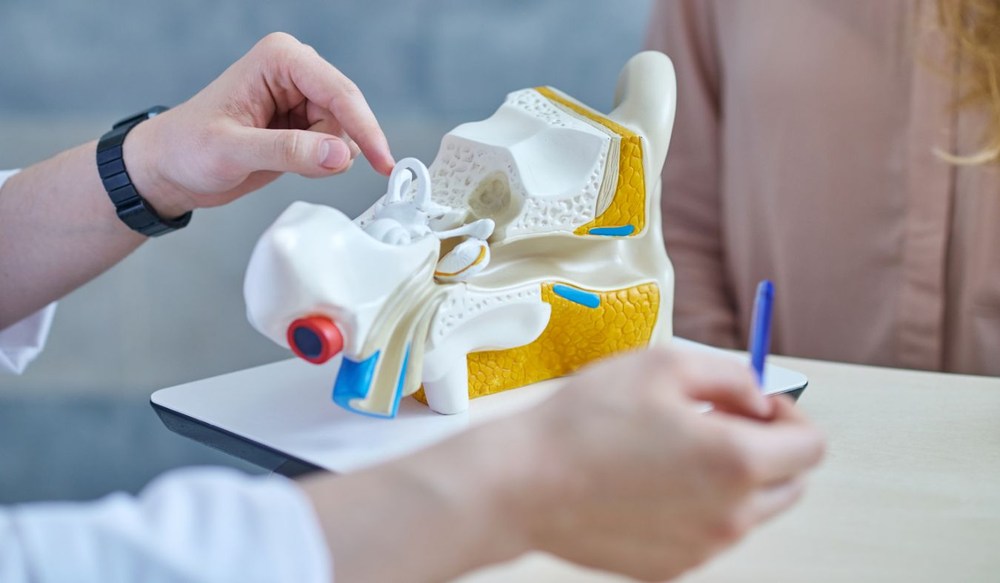
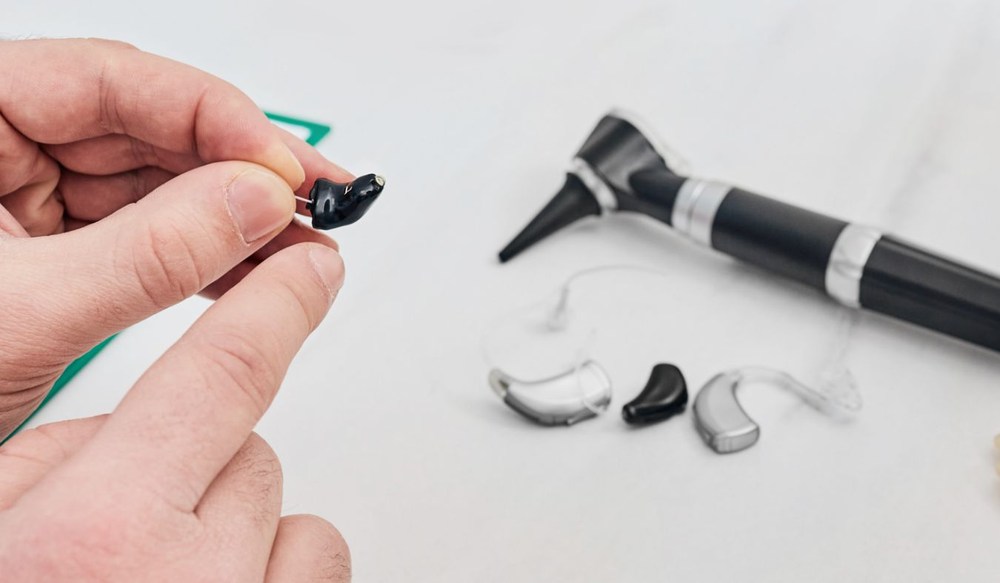
Getting the right fit for your hearing aids is key to making sure they work well for you. A hearing instrument specialist (HIS) can guide you through this process, making adjustments so your devices feel comfortable and sound clear. This support can have a big impact on how much you benefit from your hearing aids.

Even small changes in how your hearing aids fit or work can affect your daily life. Working with a hearing instrument specialist means you have someone who understands different devices and knows how to match them to your needs. With the right help, you’re more likely to enjoy better results and adjust more easily to life with improved hearing.

Why Getting the Right Hearing Aid Fit Is Important

Getting the right fit for your hearing aid is essential for both comfort and effectiveness. A properly fitted device ensures that sounds are amplified accurately for your specific hearing loss, allowing you to hear conversations, alerts and environmental sounds more clearly. When a hearing aid doesn’t fit correctly, it can cause discomfort, feedback or even reduced hearing performance, which may make it harder to rely on the device in daily life.

A good fit also affects how easily you can adjust to wearing the hearing aid over time. A hearing instrument specialist can fine-tune the device to match your ear shape and hearing needs, making it feel more natural. This careful adjustment helps you get the most benefit from your hearing aid, supporting better communication, safety and overall quality of life.

How a Hearing Aid Fitting Appointment Works

A hearing aid fitting appointment is designed to make sure your new device works effectively for your individual hearing needs. During the appointment, your hearing instrument specialist will review your hearing test results and discuss your daily listening environments. This helps them understand which sounds are most important for you to hear clearly and which situations may require extra support. Your specialist will then fit the hearing aids, adjusting them to your specific ear shape and hearing profile to provide optimal performance and comfort.

Once the hearing aids are in place, your hearing specialist will test them in different settings to ensure they provide clear sound without discomfort or feedback. You’ll also learn how to operate the devices, including adjusting volume, changing programs and caring for them on a daily basis. The appointment usually includes time to answer your questions and address any concerns, giving you a clear understanding of how to use your hearing aids effectively and confidently in everyday life.

Finding Solutions for Your Individual Hearing Needs

Everyone’s hearing needs are different. Your hearing instrument specialist will look at your daily routines, listening environments and personal preferences to help you choose the best device and settings for your situation.

Making Sure Your Devices Fit Comfortably and Securely

A comfortable and secure fit is important for getting the most out of your hearing aids. When your devices fit well, you’re less likely to feel irritation and you can go about your day without worrying they might slip out or cause soreness. A secure fit also helps prevent feedback noises and makes it easier to hear clearly in different settings, whether you’re at work, with family or enjoying outdoor activities.

Adjusting Sound Settings for Clearer Everyday Listening

Fine-tuning the sound settings on your hearing aids can help you hear voices and everyday sounds more clearly. Your hearing instrument specialist will work with you to adjust things like volume, background noise reduction and tone balance until speech and important sounds are easier to understand in different places. If something still doesn’t sound quite right, more adjustments can be made to help you feel confident in your hearing each day.

Tips for Using and Taking Care of Your Hearing Aids

Taking care of your hearing aids helps them last longer and work better. Store your devices in a dry, safe place when not in use and clean them gently with a soft, dry cloth to keep away dust and earwax.

Check the batteries often and replace them as needed so your hearing aids don’t stop working unexpectedly. If you notice any problems, like weak sound or discomfort, talk to your hearing instrument specialist for help. Keeping up with these simple habits can make wearing your hearing aids easier and more comfortable.

Knowing When to Return for Helpful Adjustments

It’s important to know when to come back for adjustments to get the most out of your hearing aids. About 60% of people with hearing aids need at least one follow-up visit in the first year to fine-tune their devices. You should consider making an appointment with your hearing instrument specialist if you notice any of these changes:

  • Sounds are too loud or too soft.
  • Voices seem unclear or muffled.
  • Your hearing aids feel uncomfortable or loose.
  • You hear whistling or feedback noises.
  • Your daily activities have changed, like starting a new job or hobby.

Getting the Most from Your Hearing Aid Fitting Experience

The right fit for your hearing aids can make a real difference in how well you hear and how comfortable you feel each day. A hearing instrument specialist is trained to help with every step, from choosing the best device to making sure it fits well and works in various environments. If your hearing aids ever feel uncomfortable or if sounds aren’t as clear as they should be, getting expert help can quickly solve these issues.

If you have questions about your current devices or think it might be time for an adjustment, schedule an appointment with a hearing instrument specialist, as they can help keep your hearing at its best. Regular visits and open communication support better comfort, clearer sound and more confidence in everyday life.