Hearing aids are important tools that help many people stay involved in conversations and daily activities, but they need regular care to work properly. Daily cleaning is one of the most effective ways to keep them in good condition, yet some individuals may feel unsure about how to do it correctly. With a basic understanding of what to clean and what to avoid, taking care of your hearing aids can become a simple part of your routine without much effort.

Keeping your devices clean can improve their performance and help prevent issues that lead to repairs. Over time, things like earwax and moisture can collect in small parts of the hearing aids and affect how well they work. That’s why hearing instrument specialists (HIS) often recommend cleaning them every day. Even small steps, like wiping them down and checking for blockages, can make a difference. Taking care of your hearing aids regularly can help them last longer and continue to support your hearing as expected.

Why Keeping Your Hearing Aids Clean Everyday Matters

Spending just a few minutes each day cleaning your hearing aids can help you avoid sudden issues, keep sounds clear and get the most out of every conversation. When your devices are working their best, daily life feels easier and more enjoyable.

How Earwax Can Change the Way Your Hearing Aid Works

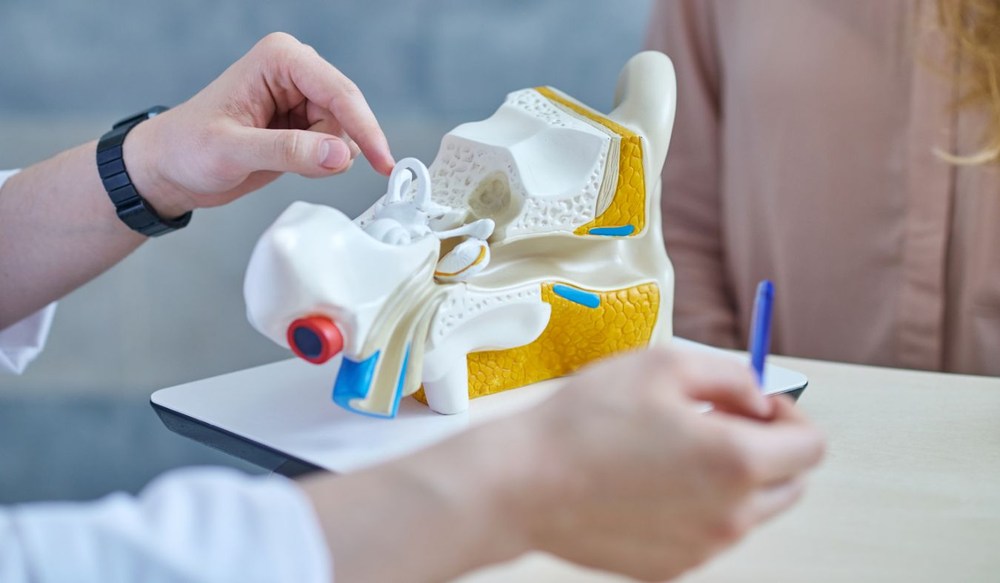
Earwax can affect how well your hearing aid works by blocking the tiny openings that allow sound to travel into your ear. When wax builds up around the microphone or speaker areas, it can make sounds seem quieter, distorted or even stop them completely. Over time, this buildup can also put extra strain on the device and lead to performance issues. Even a small amount of wax in the wrong spot can make a noticeable difference in sound quality. Cleaning your hearing aids regularly helps prevent these problems and keeps them working the way they should.

Where Most Dirt and Debris on Hearing Aids Comes From

Most dirt and debris on hearing aids comes from common sources like earwax, sweat, skin oils, dust and even hair products or makeup. These can build up quickly as you wear your devices. Regular use means you’re getting the benefits of your hearing aids, but it also means you need to clean them often. Cleaning helps keep sound quality high, reduces the chance of damage and lowers the risk of irritation or infection around your ears.

Which Parts of Your Hearing Aid Need Regular Cleaning

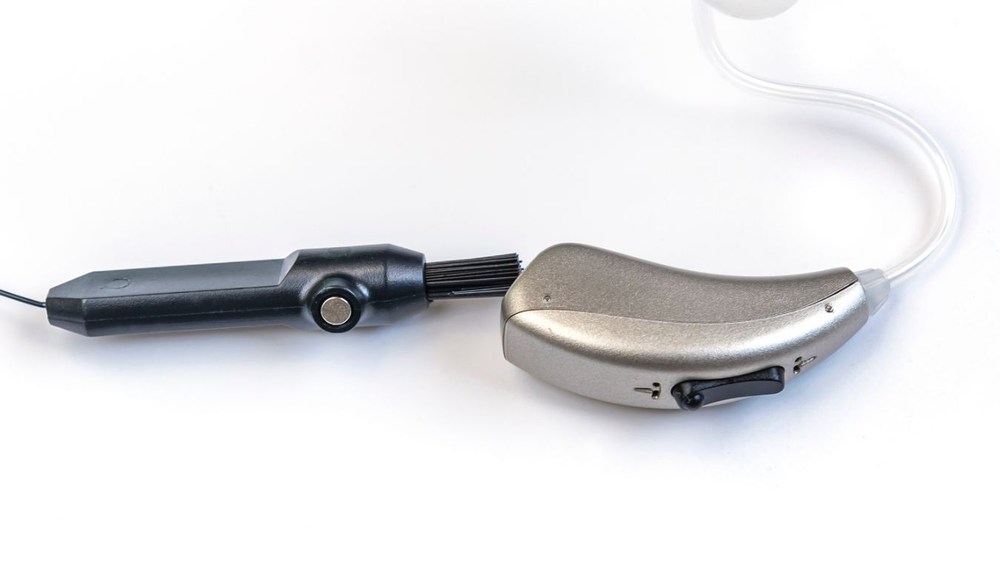
Several parts of your hearing aid need attention during cleaning: the microphone, receiver, earmold or dome and tubing if your device has it. The microphone and receiver can collect dust and earwax, which may block sound. The earmold or dome sits inside your ear and often gathers wax or moisture. Tubing can also trap moisture or debris over time. Use a soft, dry cloth to wipe the outside parts every day. A small brush or cleaning tool made for hearing aids can help clear away wax from small openings. Always wash your hands before handling your devices and never use water or cleaning chemicals directly on the hearing aid.

Choosing the Right Tools for Daily Cleaning at Home

Using the right tools for cleaning your hearing aids at home makes daily care simple and safe. Tools made for hearing aids help you avoid damage and keep your devices working well. A soft, dry cloth is good for wiping away dust and oils. A small brush or wax loop made for hearing aids can gently remove earwax from tiny openings without scratching the surface. Always wash your hands before handling your devices, and never use water or household cleaners on them. If you’re unsure which cleaning tools are best, ask your hearing instrument specialist for advice.

How to Store Your Hearing Aids Overnight

Storing your hearing aids properly overnight helps keep them clean and dry. When not in use, place your hearing aids in a safe, dry container designed for hearing devices. Many people use a drying box or dehumidifier made for hearing aids to remove any moisture that may have built up during the day. Avoid leaving your devices in bathrooms or other damp places where moisture can cause damage. Storing your hearing aids correctly each night helps prevent problems with sound quality and can extend their lifespan.

Why Clean Hands Matter When Handling Hearing Aids

Washing your hands before handling your hearing aids keeps dirt, oils and germs from transferring onto the devices. Even small amounts of residue from food, lotion or other products can build up on your hearing aids and cause blockages or irritation. Clean hands also lower the risk of spreading bacteria that could cause discomfort around your ears. Making it a habit to wash your hands before putting in or taking out your hearing aids is an easy way to support daily device care.

Ways to Keep Microphone and Receiver Openings Free of Blockages

Keeping the microphone and receiver openings clear is key to good hearing aid care. These small parts can easily get clogged by earwax, dust or other debris from daily use. To help prevent this, gently brush the openings with a soft cleaning tool every day and check for any buildup that could affect sound quality. If you notice stubborn wax or dirt that won’t come off, a hearing instrument specialist can help clean your devices safely during a routine visit. Regularly changing wax guards or filters is also helpful since these parts are designed to catch debris before it enters sensitive areas inside your hearing aids.

Knowing When to Ask a Hearing Instrument Specialist for Help

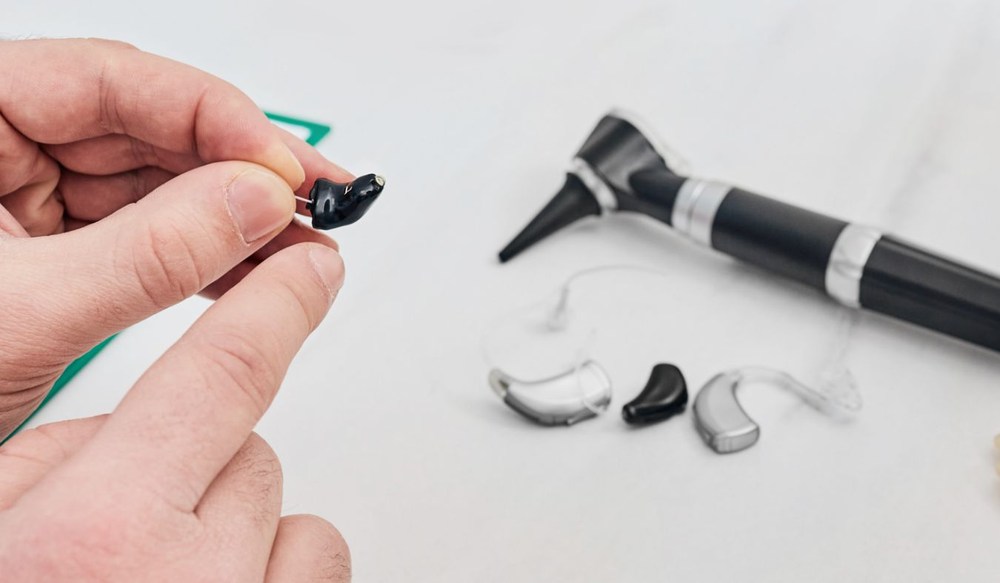
There may be times when cleaning your hearing aids at home doesn’t seem to solve a problem, and that’s when it’s a good idea to reach out to a hearing instrument specialist. If you notice your hearing aids sound weaker, cut in and out or stop working altogether, there could be a buildup or damage you can’t see. A hearing instrument specialist can take a closer look, clean the internal parts properly and check for any wear that might need attention. It’s also helpful to ask questions if you’re unsure about how to clean certain parts or which tools to use. Getting support early can prevent small issues from turning into bigger problems and help your hearing aids stay reliable.

Making Daily Cleaning Part of Your Routine for Better Hearing

Building daily cleaning into your routine helps your hearing aids work better and feel more comfortable. Just a few minutes each day keeps sounds clear, prevents damage and supports better hearing in all parts of life. If you have questions about caring for your devices or want advice on the best tools and steps to use, schedule an appointment with a hearing instrument specialist.