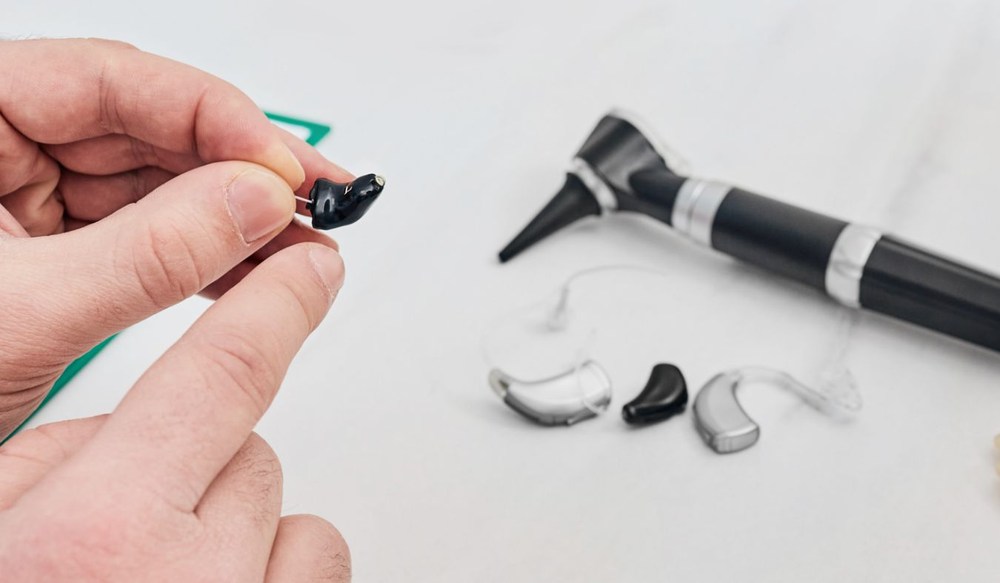
Hearing aids are an important part of daily life for many people, but like any device used regularly, they can run into issues over time. Whether it’s a drop in performance, a part that wears out or something unexpected, it’s normal for hearing aids to occasionally need professional service. While this might seem inconvenient, especially if you haven’t dealt with repairs before, understanding that maintenance is a routine part of hearing aid use can help you stay prepared and avoid unnecessary stress. Knowing what to expect and how to respond when problems come up is a helpful first step in keeping your hearing support consistent and reliable.

What to Bring to Your Hearing Aid Repair Appointment

When you’re heading to a hearing aid repair appointment, it’s a good idea to bring more than just the devices themselves. Make sure you have your hearing aids, their storage case and any accessories you regularly use – like batteries, cleaning tools or charging equipment. Bringing a written list of your concerns ensures you don’t forget anything during the appointment and helps the hearing professional better understand what needs to be fixed.

You should also bring any paperwork that came with your hearing aids, especially if they’re still under warranty. If you’ve had adjustments made in the past, notes from previous visits or programming reports may give your hearing instrument specialist a clearer picture of your device’s history. The more information you can provide, the smoother the appointment will go – making it easier for your hearing aids to be repaired and returned to you in proper working order.

Noticing Early Signs That Your Hearing Aids Need Service

It’s easy to overlook the early signs that your hearing aids may not be working as well as they should. You might begin to notice that conversations are harder to follow, even in quiet places where you normally hear well. Sounds may come through less clearly, or your devices might feel less responsive than usual. These gradual changes are often the first sign that your hearing aids need some attention, whether it’s a simple cleaning or a more in-depth adjustment.

Other clues can show up in how your hearing aids feel rather than how they sound. If they suddenly don’t fit the way they used to, or if they cause any soreness or discomfort, it could mean they’ve shifted out of alignment or need a minor repair. Changes in how your hearing aids perform or feel shouldn’t be ignored, even if they seem minor at first. Addressing small issues early can help avoid more serious disruptions down the line and keep your devices working the way they’re supposed to.

Keeping Notes on Changes and Problems

Writing down any changes or trouble with your hearing aids can really help at your appointment. Jot down when you hear feedback, if the sound is weaker or if the battery life seems shorter. If your hearing aid turns off by itself or feels uncomfortable, make a note of that too. Bringing this information gives your hearing instrument specialist a better idea of what’s going on in different places – at home, outside or in noisy settings – so you can work together to keep your hearing aids working well.

How to Clean and Care for Your Hearing Aids Before Your Visit

Looking after your hearing aids at home is one of the best ways to keep them working properly between appointments. A quick daily cleaning can help prevent buildup that might affect how they function. Use a soft, dry cloth or a cleaning brush to gently wipe away any earwax or dust. Avoid using water or cleaning sprays, as moisture can damage the internal parts. It’s also important to check for clogged wax guards or worn-out filters and replace them as needed. These simple habits can make your hearing aids more reliable and comfortable to use.

Before visiting your hearing instrument specialist, take a moment to clean your devices and check for any noticeable problems. Removing visible buildup allows your hearing instrument specialist to focus on any underlying issues more easily. If you’ve been having trouble with sound or comfort, try to note when it started and how often it happens. Sharing this information can help your specialist make quicker, more accurate adjustments. Taking a few minutes to care for your hearing aids ahead of time can make your appointment more productive and help keep your devices working their best.

What to Expect During Repairs

When your hearing aids need repairs, the process usually begins with an evaluation by a hearing instrument specialist. They’ll inspect your devices to identify the issue, which could be something simple like a clogged microphone or a loose battery connection. Many minor problems can be fixed in the office during your visit. If the damage is more serious, your hearing aids might need to be sent to the manufacturer for repair. In either case, your hearing instrument specialist will explain what needs to be done, how long it will take and whether the repair is covered by a warranty.

If your hearing aids need to be sent out, a hearing instrument specialist may be able to provide a loaner set or suggest other short-term options to help you manage during the repair period. It’s a good idea to ask about these choices ahead of time, especially if you rely on your hearing aids daily. Being prepared can make the process easier and help reduce the disruption to your routine while you wait for your devices to be fixed.

Getting By Without Your Hearing Aids

If you need to go without your hearing aids for a while, planning ahead can help. Let family, friends or coworkers know that you might not hear as well, and ask them to speak clearly or write things down if needed. Try to stay away from crowded or noisy places where it’s harder to hear. Set up visual alerts on your phone or use other tools at home if you rely on alarms or reminders. Being ready helps you handle daily life until your hearing aids are fixed.

Taking a few simple steps before your repair visit can help you get better results and keep your hearing aids working well. By staying organized and working with your hearing instrument specialist, you can keep enjoying clearer hearing every day. If you want to learn more about hearing aid repairs, schedule an appointment with a hearing instrument specialist.